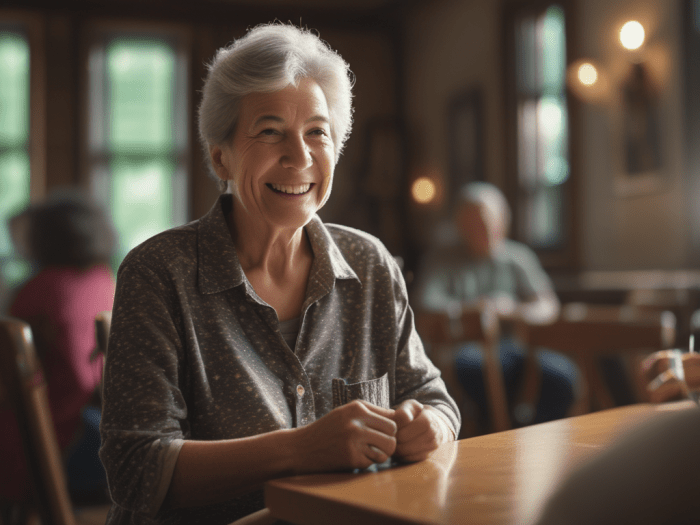
Personal growth is defined as the desire that an individual experiences to continue growing and developing to the fullest extent of their potentialities and capabilities, being dissatisfied with past achievements and striving to take on new personal challenges that allow them to grow as a person and achieve their full self-realization. It involves an active and intentional commitment to one’s psychological growth, which encompasses both cognitive (e.g., “I know how to change things I want to change in my life”) and behavioral (e.g., “if I want to change something in my life, I start the process of change”) aspects towards intraindividual development.
Personal growth has no age limit and is equally relevant for older adults. Here are some ways a senior can foster personal growth:
1. Continuous Learning: Participate in classes, workshops, or online courses on topics of interest. This not only stimulates the mind, but also provides opportunities to socialize and stay intellectually active.
2. Physical Exercise: Incorporate regular physical activity, adapted to individual abilities. Exercise improves physical and mental health, and can include walking, yoga, swimming or gentle gymnastics.
3. Development of New Skills: Learn something new, such as a language, a musical instrument, or a craft. Developing new skills is rewarding and challenges the brain.
4. Volunteering: Get involved in volunteer activities. Helping others provides a sense of purpose and community, and can be a source of personal satisfaction.
5. Maintain Social Relationships: Foster and maintain social connections. Participate in community groups, clubs, or associations of common interest. Social relationships are crucial for emotional well-being.
6. Mental Health Care: Practice relaxation techniques, such as meditation or deep breathing. Seek professional support if necessary to manage stress, anxiety or depression.
7. Reflection and Spirituality: Dedicate time to personal reflection, meditation or prayer. Exploring spiritual aspects can offer a broader perspective and a sense of peace.
8. Write a Diary or Memoir: Write about life experiences, achievements and learning. This can be therapeutic and also a legacy for future generations.
9. Personal Care: Maintain a balanced diet, get enough sleep and take care of personal hygiene. Feeling good physically contributes to better mental and emotional health.
10. Technology and Connectivity: Learn to use technology to stay connected with family and friends, access information and participate in online activities.
Personal growth in older adulthood is about staying active, both physically and mentally, and continually seeking ways to enrich your own life and the lives of others.Good night. Personal growth is a process of development and improvement in various aspects of life, both emotionally, intellectually, socially, and spiritually. It involves knowing yourself, overcoming limitations, achieving personal and professional goals, and living a fuller and more satisfying life.
Tips to improve personal growth :
1. Self-knowledge: Reflect on your values, beliefs, strengths, weaknesses and objectives. You can keep a journal, practice meditation, or seek feedback from people you trust.
2. Set Goals: Define clear and achievable objectives in different areas of your life. Make sure they are Specific, Measurable, Achievable, Relevant and Temporal (SMART).
3. Continuing Education: Stay constantly learning. Read books, take courses, attend workshops and seek new experiences that enrich your knowledge and skills.
4. Develop Healthy Habits: Incorporate habits that promote physical and mental well-being, such as a balanced diet, regular exercise, and stress management practices.
5. Time Management: Organize your time efficiently. Prioritize your activities and avoid procrastination.
6. Emotional Health: Work on your emotional intelligence, learn to manage your emotions and maintain healthy and constructive relationships with others.
7. Resilience: Learn to face and overcome difficulties. Resilience allows you to adapt to changes and move forward despite obstacles.
8. Support Network: Surround yourself with people who support you and inspire you to grow. Get involved in communities, seek out mentors, and build positive relationships.
9. Reflection and Evaluation: Regularly review your progress and adjust your strategies as necessary. Reflect on what you have learned and how you can continue to improve.
Personal growth is a continuous journey that requires dedication and effort, but the benefits to your well-being and personal satisfaction are immense.
In my next post I will talk about urinary infections in elderly people, because they are very common in this group of population.
 Freelancer professor