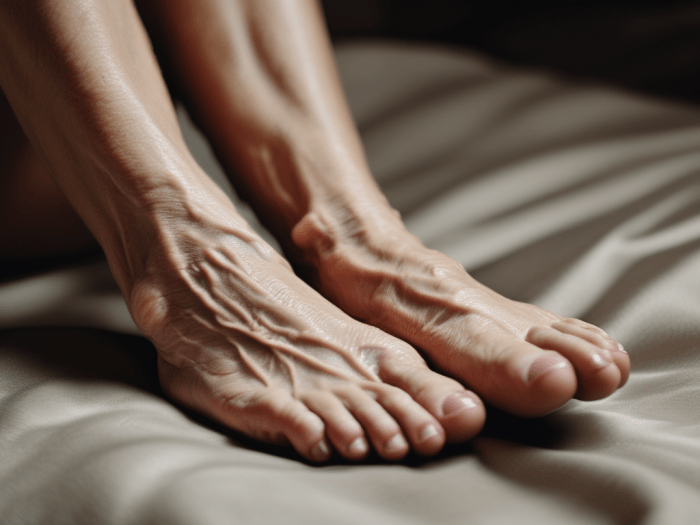
In addition to the skin, we should observe the changes that occur in the feet of our elderly as they are susceptible to fungal infections.
Fungus on the feet of older adults is primarily caused by fungal infections, with the most common being those produced by dermatophytes, such as Trichophyton rubrum. These infections are known as athlete’s foot or tinea pedis. Several factors can contribute to the development of foot fungus in older adults:
- Compromised Immune System: As people age, their immune system may become less effective, making them more susceptible to infections.
- Circulatory Disorders: Older people often have slower blood circulation, especially in the extremities, which can make it harder to fight infections.
- Skin Conditions: The skin of older adults may become thinner and drier, making it more vulnerable to infections.
- Moist and Warm Environment: Wearing closed shoes for prolonged periods, along with sweating, creates a moist and warm environment that promotes fungal growth.
- Poor Hygiene: Difficulties in maintaining proper hygiene due to mobility or vision problems can contribute to the proliferation of fungus.
- Chronic Diseases: Conditions such as diabetes can increase the risk of fungal infections due to greater susceptibility and difficulties in healing.
To prevent and treat foot fungus, it is important to maintain good hygiene, wear breathable footwear, keep the feet dry, and, in case of infection, use antifungal treatments as directed by a healthcare professional.
Fungal infections also often affect the nails, known as onychomycosis, and are caused by three types of fungi:
- Dermatophytes: The most common is Trichophyton rubrum, which is responsible for the majority of infections in the toenails. Another dermatophyte that can cause infections is Trichophyton mentagrophytes.
- Yeast-like Fungi: The most common is Candida albicans, although it is less frequent in toenails than in fingernails.
- Non-Dermatophyte Molds: These include species such as Scopulariopsis brevicaulis, Aspergillus, and Fusarium. These fungi are less common but can infect the nails, especially in cases of previous nail damage or immunodeficiency.
Nail fungal infections can cause the nails to become thick, discolored, brittle, and deformed. To treat these infections, doctors often prescribe topical or systemic antifungal treatments, and in some cases, debridement or removal of the affected nail may be necessary.
It is important to consult a healthcare professional for a proper diagnosis and treatment, as nail fungal infections can be persistent and difficult to treat.
References
Kaul, S., Yadav, S., & Dogra, S. (2017). Treatment of dermatophytosis in elderly, children, and pregnant women. Indian dermatology online journal, 8(5), 310-318.
Kauffman, C. A., & Yoshikawa, T. T. (2001). Fungal infections in older adults. Clinical Infectious Diseases, 33(4), 550-555.
Piérard, G. (2001). Onychomycosis and other superficial fungal infections of the foot in the elderly: a pan-European survey. Dermatology, 202(3), 220-224.
Yalçın, B., Tamer, E., Toy, G. G., Öztaş, P., Hayran, M., & Allı, N. (2006). The prevalence of skin diseases in the elderly: analysis of 4099 geriatric patients. International journal of dermatology, 45(6), 672-676.
 Freelancer professor