Psicología del Adulto Mayor: Desafíos y Estrategias.

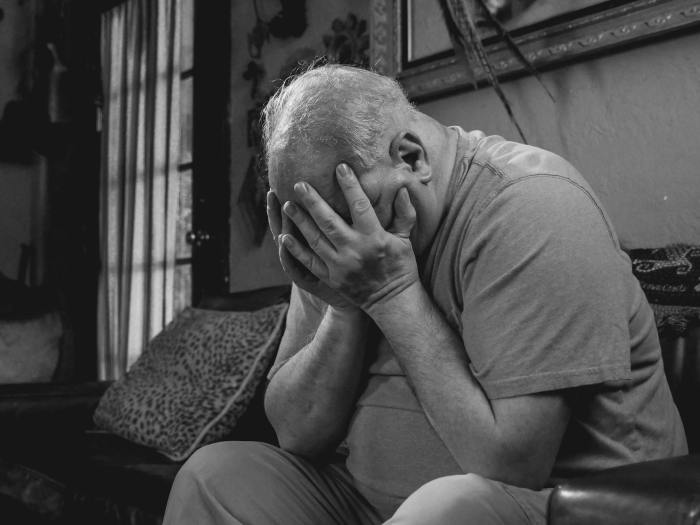
Uno de los aspectos mas difíciles de manejar en los adultos mayores es su psicología, La cual puede variar dependiendo de factores como la salud física, el entorno social y las experiencias de vida. Sin embargo, algunas tendencias comunes incluyen la búsqueda de significado en la vida, el enfoque en relaciones significativas y el desarrollo de estrategias de afrontamiento para encarar los desafíos del envejecimiento. También pueden experimentar cambios en la memoria y en la cognición, así como enfrentar desafíos emocionales como la soledad o la pérdida.

Los adultos mayores pueden experimentar una serie de aspectos psicológicos distintivos, que incluyen la adaptación a cambios en roles sociales, el enfrentamiento a la pérdida de seres queridos y la reflexión sobre su legado y sentido de vida. También pueden enfrentar desafíos como la soledad, la depresión y la ansiedad debido a cambios físicos y sociales. Es importante brindarles apoyo emocional y oportunidades para mantenerse mentalmente activos y socialmente conectados.

Algunas conductas repetitivas pueden incluir revisar constantemente objetos o hacer preguntas repetidas, por ejemplo si han comido o no, o preguntar sobre eventos recientes, tambien pueden repetir historias o actividades simples como caminar por la casa, estas conductas pueden ser signos de deterioro cognitivo asociados al envejecimiento o trastornos neurodegenerativos como la demencia.

Todos tenemos que pasar por la experiencia de cuidadores a tiempo parcial o a tiempo completo, porque tenemos padres, madres, tios, tias, amigos entrañables o parejas, ademas de que la tendencia global demografica, es la del envejecimiento, y debemos prepararnos para ese momento, que nos demanda comprensión, conocimientos sobre la psicología del adulto mayor, ademas de otras areas de conocimiento como nutrición, farmacologia, cuidado personal, apoyo, legislación, finanzas, seguro social, entre otras tematicas.

Si te ha gustado mi post dame un like y/o comenta. En mi próxima publicación hablare sobre crecimiento personal.

Updated Classification of Antidepressants for Older Adults: A Simplified Guide

Antidepressants

An important topic for those of us who care for older adults is antidepressants, These are frequently used in the treatment of depression, if you work caring for older adults, this post will be very useful, if you have a family member who is experiencing depression or taking this type of medication, it may also be of interest to you, to search for more information on the subject and/or to find specialized help.

Classification according mechanism of action

Below, I present an updated classification of these drugs according to their mechanism of action.

Class A: Monoaminergic modulators
Class A I: Monoamine oxidase inhibitors (MAOIs)
AIa: Irreversible non-selective Tranylcypromine, Phenelzine, Isocarboxazid
AIb: Irreversible selective MAO-B: Selegiline
AIc: Reversible selective MAO-A: Moclobemide
Class A II: Neuronal reuptake inhibitors
AIIa: Relatively selective
AIIa: Serotonergic: Selective serotonin reuptake inhibitors (SSRIs): Fluoxetine, Sertraline, Paroxetine, Citalopram, Escitalopram), Fluvoxamine
AIIb: Serotonergic and noradrenergic Serotonin-noradrenaline reuptake inhibitors (SNRI): Venlafaxine, Desvenlafaxine, Duloxetine, Milnacipran, Levomilnacipran
AIIc: Noradrenergic and dopaminergic Noradrenaline and dopamine reuptake inhibitor (NDRI): Bupropion
Class A III: Alpha-2 (α2) receptor antagonists Noradrenergic and specific serotonergic antidepressant (NaSSA): Mirtazapine
Class A IV: Multimodals
AIVa: Serotonergics: Vortioxetine, Vilazodone, Trazodone(2) AIVb: Noradrenergics: Mianserine, Maprotiline
AIVc: Noradrenergic and serotonergics (with significant muscarinic antagonism): Imipramine, Clomipramine, Amitriptyline, Desipramine, Nortriptyline
Class B: Non-Monoaminergic modulators
Melatonin receptors (MT1 and MT2) agonists: Agomelatine
Class C: Drugs in research and development

source: Alvano & Zieher (2020)

The most commonly used by older adults are selective serotonin reuptake inhibitors, such as sertraline, fluoxetine, and paroxetine. These medications are usually safe and effective in this population, but it is always important to consult with a specialist before starting any treatment. Fasipe (2018)

Long-term use of antidepressants, especially in older adults, may have some side effects, which may include:

  1. Increased risk of falls and fractures due to decreased balance and coordination.
  2. Gastrointestinal problems, such as nausea, diarrhea, or constipation.
  3. Sleep disturbances, such as insomnia or excessive drowsiness.
  4. Decreased appetite or weight gain.
  5. Risk of serotonin syndrome, especially if taken along with other medications that increase serotonin levels in the body.
  6. Sexual problems, such as decreased sexual desire or difficulties achieving orgasm.
  7. Increased risk of bleeding, especially in people taking anticoagulants.

It is important for older adults taking antidepressants to be regularly monitored by a doctor to detect and manage any potential side effects.

Tips:

If you are caring for an older adult or working in an ALF( assisted living facility) take into account the antidepressant medications that the patient(s) are taking, as well as their daily dosage and frequency. Be alert to any changes in behavior or clinical symptoms that may indicate they are experiencing adverse or side effects after taking the medication and report it to their family members or administrators so that they can take action and solve the problem in time.

If you liked the publication, comment and share. Your comments can help improve my posts and suggest topics of interest. I leave the references for you to delve deeper into this topic. In my next post, I will talk about the psychology of the older adult.

References

Alvano, S. A., & Zieher, L. M. (2020). An updated classification of antidepressants: A proposal to simplify treatment. Personalized Medicine in Psychiatry, 19, 100042. Available in 

Understanding Benzodiazepines and Their Impact on Older Adults.

Benzodiazepines are a class of medications that act on the central nervous system to produce sedative, anxiolytic, hypnotic, anticonvulsant, and muscle relaxing effects. They are commonly prescribed to treat anxiety disorders, insomnia, seizures, and other nervous system-related issues. However, their prolonged use can lead to dependence and other adverse effects. The most commonly used by older adults are those with a shorter half-life and less tendency to accumulate in the body, such as lorazepam (Ativan), alprazolam (Xanax), and oxazepam (Serax). These are preferred due to their lower potential to cause adverse effects and accumulation in the body. However, their use must be carefully monitored due to the risk of dependence and side effects, particularly in older adults, where they may increase the risk of falls, confusion, excessive drowsiness, and loss of memory and attention, in addition to their prolonged use potentially leading to dependence and tolerance, which complicates withdrawal.

This pharmacological group has interactions due to its metabolism (pharmacokinetics), increasing benzodiazepine concentrations in relation to medications like digoxin, omeprazole, and beta-blockers, which are frequently used by older adults. Additionally, in terms of effect (pharmacodynamics), antidepressants, anticonvulsants, neuroleptics, and antihistamines enhance their depressive effects.

The use of these medications should be evaluated by psychiatrists, and depending on the clinical picture, comorbidities, and the age of the older adult, the prescription of benzodiazepines will proceed or not.

If you liked the post, give me a like and/or comment. Your interaction can help improve my posts.

References

Hirschtritt, M. E., Olfson, M., & Kroenke, K. (2021). Balancing the risks and benefits of benzodiazepines. Jama325(4), 347-348.es

Ballokova, A., Peel, N. M., Fialova, D., Scott, I. A., Gray, L. C., & Hubbard, R. E. (2014). Use of benzodiazepines and association with falls in older people admitted to hospital: a prospective cohort study. Drugs & aging31, 299-310.

Antioxidant power of red wine.

Resveratrol is a phenolic compound, present in the skin of grapes and not in their pulp, which is why its consumption in red wine can protect health since this metabolite constitutes a powerful antioxidant agent with anti-cancer and anti-inflammatory properties.

Red wine can play an important role in the prevention of cardiovascular and neurological diseases, type II diabetes mellitus and cancer. Resveratrol has been shown to modulate lipid metabolism and inhibit low-density lipoprotein oxidation and platelet aggregation. Additionally, as a phytoestrogen, resveratrol may provide cardiovascular protection.

 Clinical trials on its bioavailability and pharmacokinetics indicate that human consumption should be less than 1g/day daily.

 I recommend reading this articles that appears below this paragraph.

https://nyaspubs.onlinelibrary.wiley.com/doi/full/10.1111/j.1749-6632.2010.05853.x

The responsible and moderate consumption of red wine can protect our health due to the presence of resveratrol, which is a powerful antioxidant and anti-inflammatory agent, a psychologist recommended at a conference on limited mental health to drink a glass of wine daily, to avoid mental illnesses, like Alzheimer’s, of course this is accompanied by physical activity, a healthy diet such as the Mediterranean, and socializing, which adds the benefit of neurotransmitters such as serotonin.

However, it is necessary to insist that excessive consumption of wine, like any alcoholic beverage, brings disastrous results to health, such as chronic malnutrition, liver cirrhosis, dementia, among others, as well as the social problems it causes, such as car accidents, at home or in the workplace. public places, fights, divorces, paternal or maternal abandonment, hospital expenses for falls and fractures, and social invisibility, isolation and stigma.

I hope you liked this post, I’ll wait for you in a next publication where we will talk about some interesting topic.

Squizoprhenia,anxiety, and mood disorders.

All people who work with people with dementia, schizophrenia, behavioral disorders, anxiety and depression, must have knowledge basic to have effective communication, when you help them if you work in a daycare, assisting living facility, nursing home, hospital or if you live with them at home. That is why I write in this blog because some aspects of its pathophysiology must be known.

Pathophysiology is the study of the functional and physiological changes that occur in the body as a result of disease or injury. It examines how the normal processes of the body are altered and how these alterations lead to the manifestation of symptoms and clinical signs of specific diseases. It is a fundamental discipline for understanding the basis of various diseases and for developing strategies for diagnosis and treatment.

This post will address schizophrenia, anxiety, and mood disorders.

Schizophrenia is a psychiatric illness characterized by a combination of symptoms that includes hallucinations, delusions, disorganized thinking, and cognitive impairment associated with an imbalance of dopamine and serotonin, as well as hypofunction of the prefrontal cortex and hyperactivity of the amygdala.

At present, the molecular mechanism of schizophrenia is not completely known, but there is strong scientific evidence that supports the genetic component in its pathophysiology. Twin and family studies have shown that people with close relatives with schizophrenia have a greater probability of having schizophrenia, multiple genes are believed to interact, influencing the regulation of glutamate signals, synaptic function, DNA transcription and chromatin remodeling.

Alterations in brain development during pregnancy and early childhood increase the risk, exposure to environmental toxins, viral infections during pregnancy, complications during childbirth can increase the possibility of getting sick in later stages, chronic stress, Drug use such as marijuana or methamphetamine and traumatic experiences in childhood are environmental factors involved in the development of schizophrenia.

Anxiety disorders are an exaggerated anxiety response to everyday activities. Its pathophysiology presents an interaction of genetic, neurochemical and environmental factors as well as disorders in serotonin, norepinephrine and GABA, just as in schizophrenia the prefrontal cortex and the amygdala are involved.

Mood disorders such as depression and bipolarity alter mood and functionality; the neurotransmitters serotonin, norepinephrine, and dopamine are involved, as well as alterations in neuronal activity and synaptic plasticity in the hippocampus and prefrontal cortex, as well as the regulation of the circadian rhythm that brings with it extreme changes in moods.

Further Beyond the medications that these people consume to calm their anxiety, depression, improve their memory, and be able to sleep, we must look at the human side of these patients who are invisible to society and an economic burden for their families. Kind and respectful treatment restores their dignity.

Attachment theory

Attachment theory is a core issue in the area of ​​parenting and relationships between parents and children. It was developed by the psychologist John Bowlby, it refers to the tendency of young children to seek permanent contact with one or more caregivers when they are scared, worried or vulnerable. In this attachment the role of the mother is fundamental, as it is the first contact, that the infant has with the outside world from birth, through its care, caresses and feeding. Bowlby’s conceptualization drew heavily on evolutionary theory, ethology, and cybernetics, and he conceived that these behaviors arise through natural selection, to maximize survival and reproduction.

Likewise, Ainsworth, who collaborated with Bowley in this field, developed three attachment styles: secure, anxious, ambivalent and avoidant. Subsequently, another type of attachment, disorganized, has been investigated. Babies with the first type of attachment show anxiety when separated from their caregiver and are easily sedated when reunited. They are more even-tempered and balanced. Those with anxious attachment tend to be more attached and appear anxious even in the presence of the caregiver. In the case of disorganized attachment, the baby shows erratic behavior such as approaching the caregiver while the child shows signs of fear and confusion.

This theory has many applications for health professionals, those who treat infant illnesses and nurses who, with their educational work, encourage caregiver-baby skin-to-skin contact in early childhood, educating about the importance of to respond quickly to the baby’s needs such as hunger, cold, heat, discomfort, etc., encourage them to have good visual communication, and talk to them, sing to them, establish routines such as feeding, sleeping, bathing and later activity times. playful.

In conclusion, it can be stated that attachment theory has great clinical utility in the treatment of psychiatric illnesses, which had their origin in the type of attachment that children had with their caregivers/parents, altering communication and the system of relationships in their adult life, nursing work in this area is mainly in health education for parents to systematize learning and have a healthy and independent life through secure attachment.

If you like to learn about Psychology subject, you can begin with Learning Theories.