This site is dedicated to university students, postgraduate students, who are interested in Public Health, Odontology, Investigations Higher Education and other topics
Capital of the autonomous region of Aragon, its main attraction is being the headquarters of the Basilica of Nuestra Señora del Pilar, one of the main places of Catholic worship in Spain, La Alijafateria, an impressive Islamic palace built during the time of the taifa of Zaragoza, which combines Muslim, Christian and Gothic elements, the Basilica Cathedral of San Salvador, a majestic Gothic building that houses numerous works of art, the Palacio de la Lonja, an example of the Aragonese Renaissance, which served as a place of commerce for centuries.
A famous personality born in Zaragoza was the painter Francisco de Goya, famous works such as Los Caprichos, a series of engravings that marked an era, The Naked Maja, the Duchess of Alba, among others.
After making a review about Francisco de Goya, I am going to list some of the gastronomic delights of Zaragoza
Among the most emblematic foods of Zaragoza are roast ternasco, lamb roasted in the oven with aromatic herbs, cod al ajoarriero, which is cooked with oil, garlic, chilli and tomato, Aragonese migas made of stale bread, garlic, olive oil. olive, the crespillo that looks like a buñuelo but thinner and crunchier.
The trip of my family and friends continues in this beautiful city visiting the most touristic places and tasting its delicious food and wines.
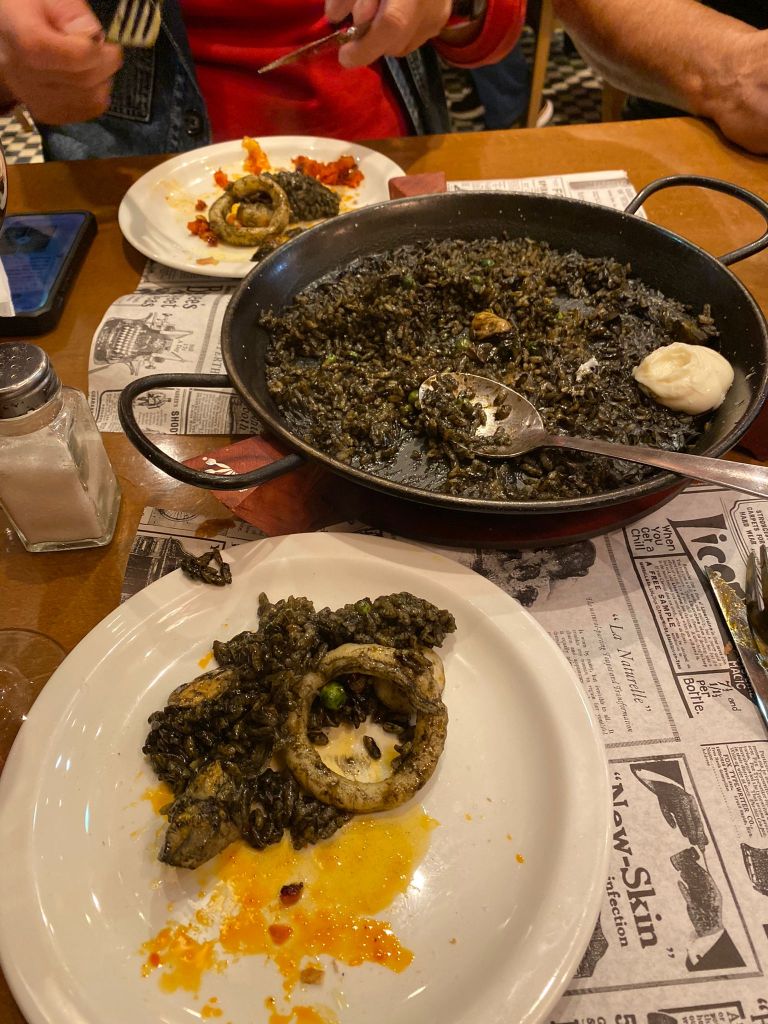
Zaragoza crumbsBlack riceTypical appetizers
Some of the places visited were
Interior of the Basilica of Nuestra Señora del Pilar Outside of Basilica of Nuestra Señora del PilarDay walking around Historic helmet“De marcha”Night walkingGoing to sleep
There are many places to rest, at the end of the night, the Río Arga hotel is an excellent option considering that it is located in the historic center, 3 minutes from Plaza del Pilar where the Basilica of the same name is located.
I hope you have enjoyed this trip through photos to Zaragoza, an Aragon’s city with beautiful views, a universal cultural legacy through the works of Francisco de Goya, architectural and religious jewels such as the Basilica of Nuestra Señora del Pilar, places to taste tapas in “La Ceci”, black rice in La Bodeguita Real, pork rinds in Taberna 1941 and Aragon’s crumbs. Our next destination will be Madrid :). Follow me in this imaginary trip.
All people who work with people with dementia, schizophrenia, behavioral disorders, anxiety and depression, must have knowledge basic to have effective communication, when you help them if you work in a daycare, assisting living facility, nursing home, hospital or if you live with them at home. That is why I write in this blog because some aspects of its pathophysiology must be known.
Pathophysiology is the study of the functional and physiological changes that occur in the body as a result of disease or injury. It examines how the normal processes of the body are altered and how these alterations lead to the manifestation of symptoms and clinical signs of specific diseases. It is a fundamental discipline for understanding the basis of various diseases and for developing strategies for diagnosis and treatment.
This post will address schizophrenia, anxiety, and mood disorders.
Schizophrenia is a psychiatric illness characterized by a combination of symptoms that includes hallucinations, delusions, disorganized thinking, and cognitive impairment associated with an imbalance of dopamine and serotonin, as well as hypofunction of the prefrontal cortex and hyperactivity of the amygdala.
At present, the molecular mechanism of schizophrenia is not completely known, but there is strong scientific evidence that supports the genetic component in its pathophysiology. Twin and family studies have shown that people with close relatives with schizophrenia have a greater probability of having schizophrenia, multiple genes are believed to interact, influencing the regulation of glutamate signals, synaptic function, DNA transcription and chromatin remodeling.
Alterations in brain development during pregnancy and early childhood increase the risk, exposure to environmental toxins, viral infections during pregnancy, complications during childbirth can increase the possibility of getting sick in later stages, chronic stress, Drug use such as marijuana or methamphetamine and traumatic experiences in childhood are environmental factors involved in the development of schizophrenia.
Anxiety disorders are an exaggerated anxiety response to everyday activities. Its pathophysiology presents an interaction of genetic, neurochemical and environmental factors as well as disorders in serotonin, norepinephrine and GABA, just as in schizophrenia the prefrontal cortex and the amygdala are involved.
Mood disorders such as depression and bipolarity alter mood and functionality; the neurotransmitters serotonin, norepinephrine, and dopamine are involved, as well as alterations in neuronal activity and synaptic plasticity in the hippocampus and prefrontal cortex, as well as the regulation of the circadian rhythm that brings with it extreme changes in moods.
Further Beyond the medications that these people consume to calm their anxiety, depression, improve their memory, and be able to sleep, we must look at the human side of these patients who are invisible to society and an economic burden for their families. Kind and respectful treatment restores their dignity.
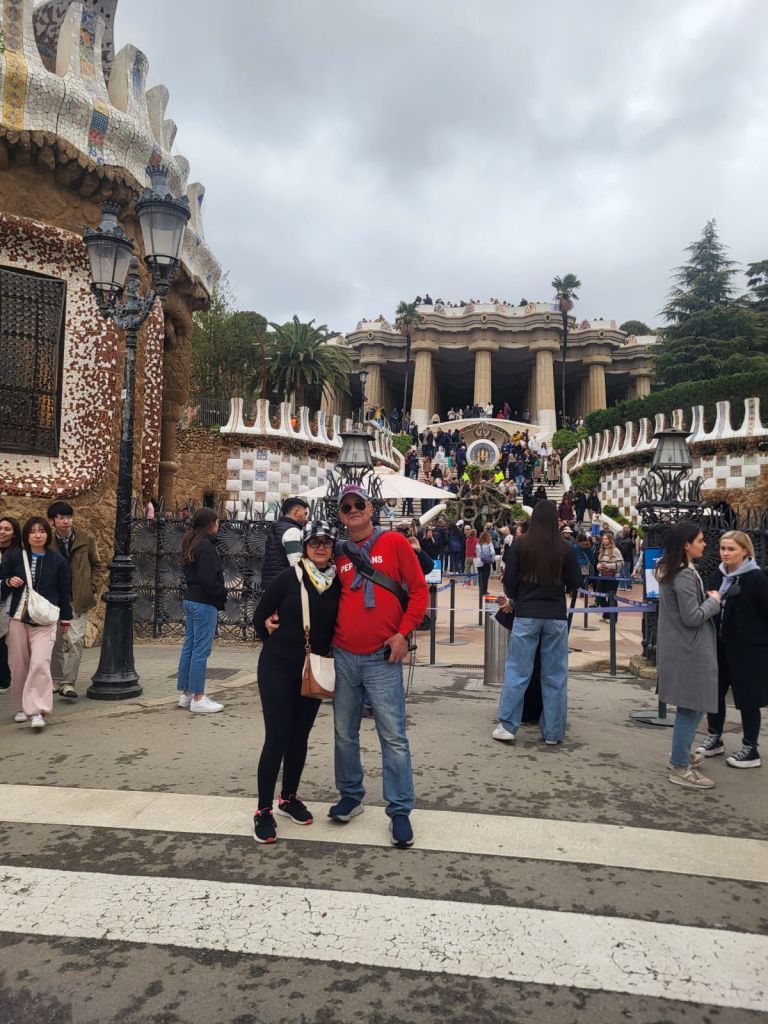
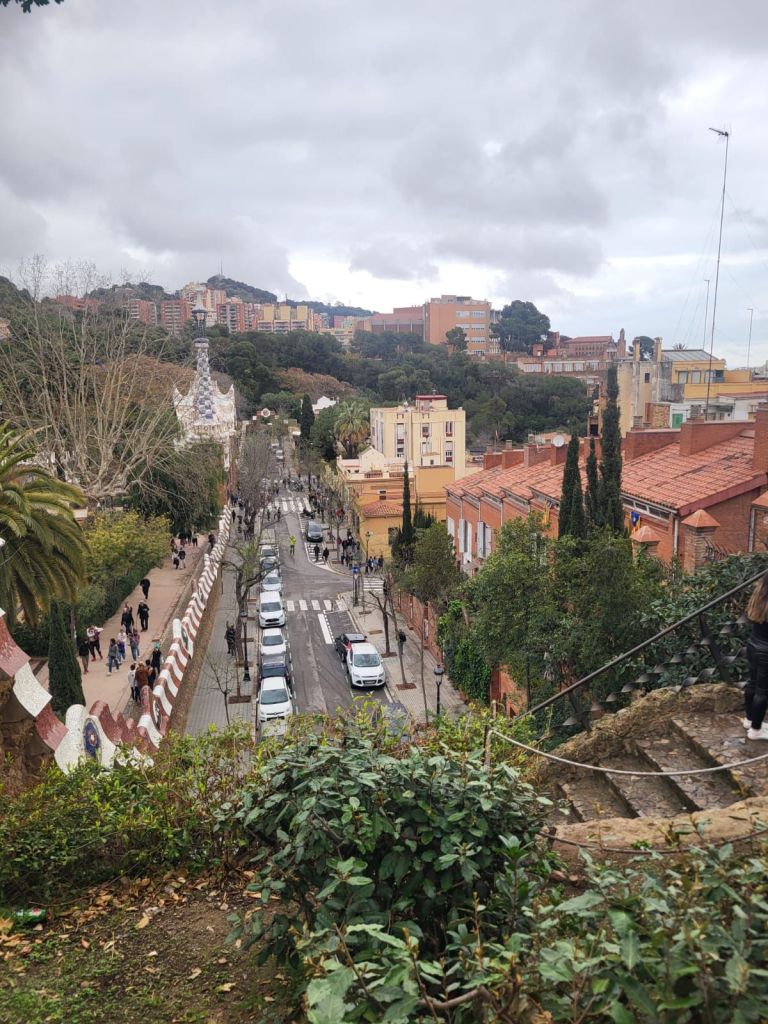
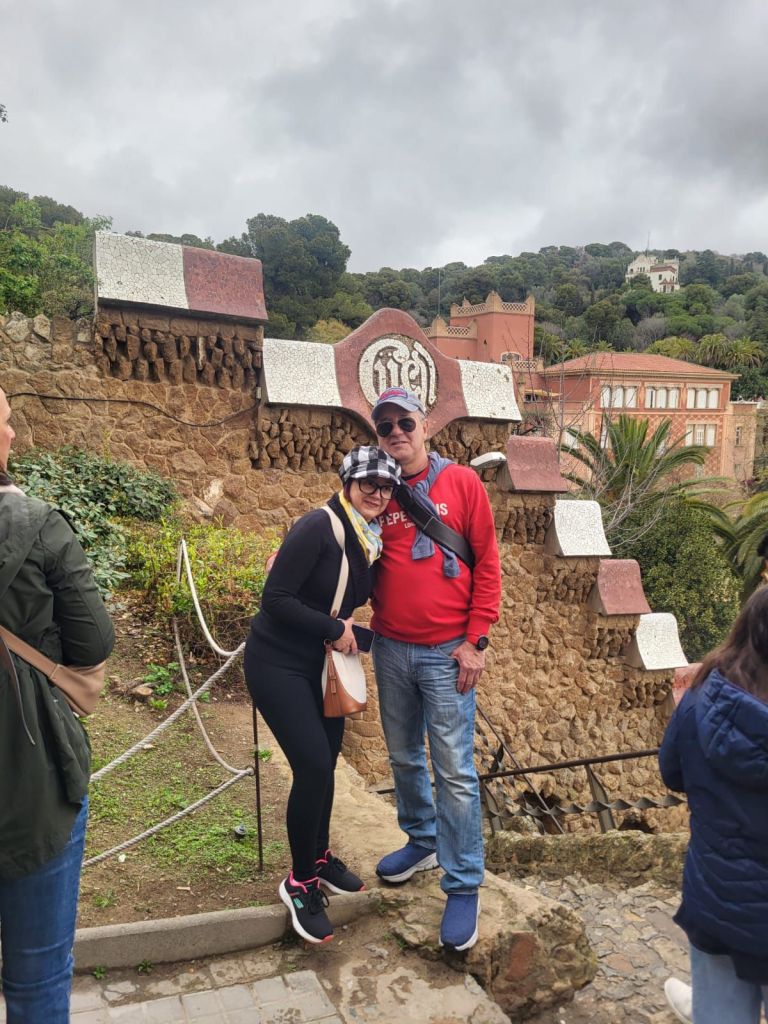
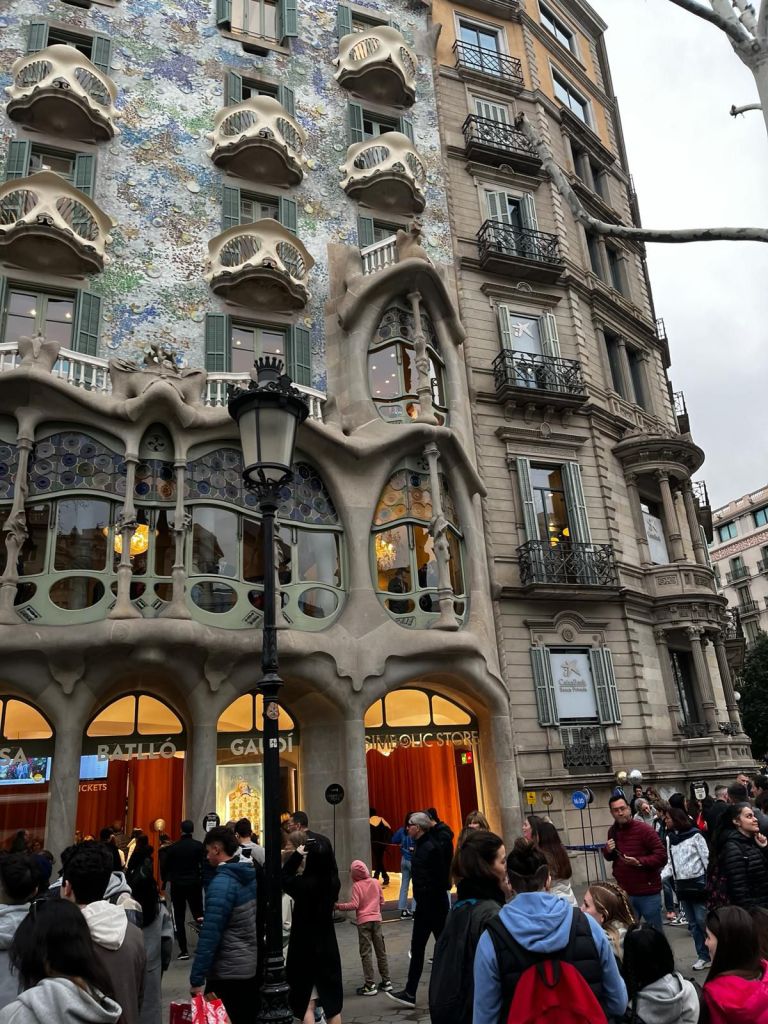
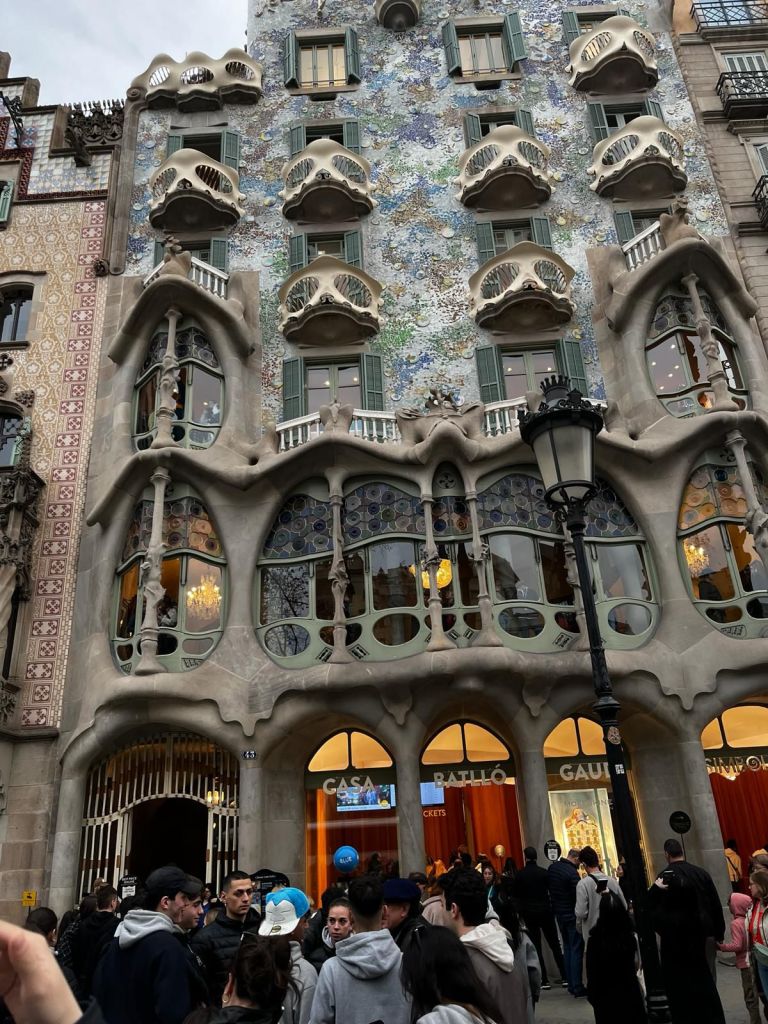
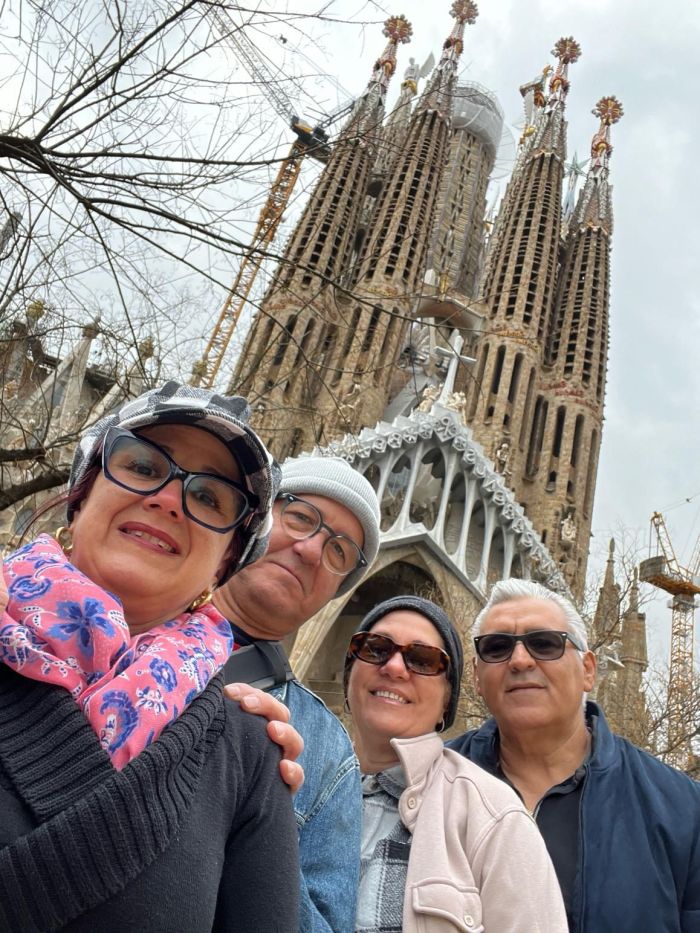
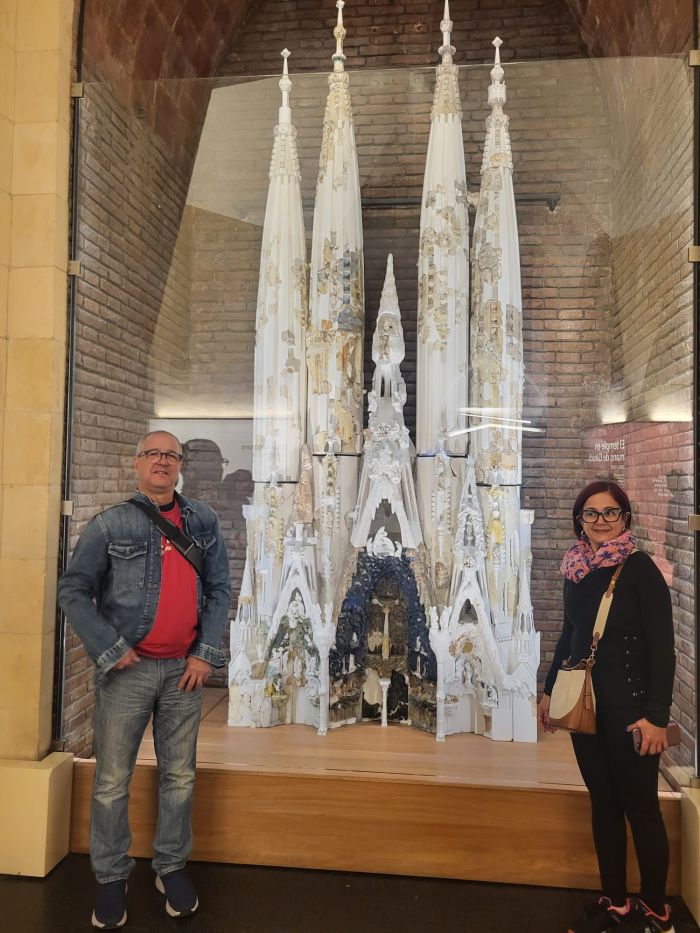
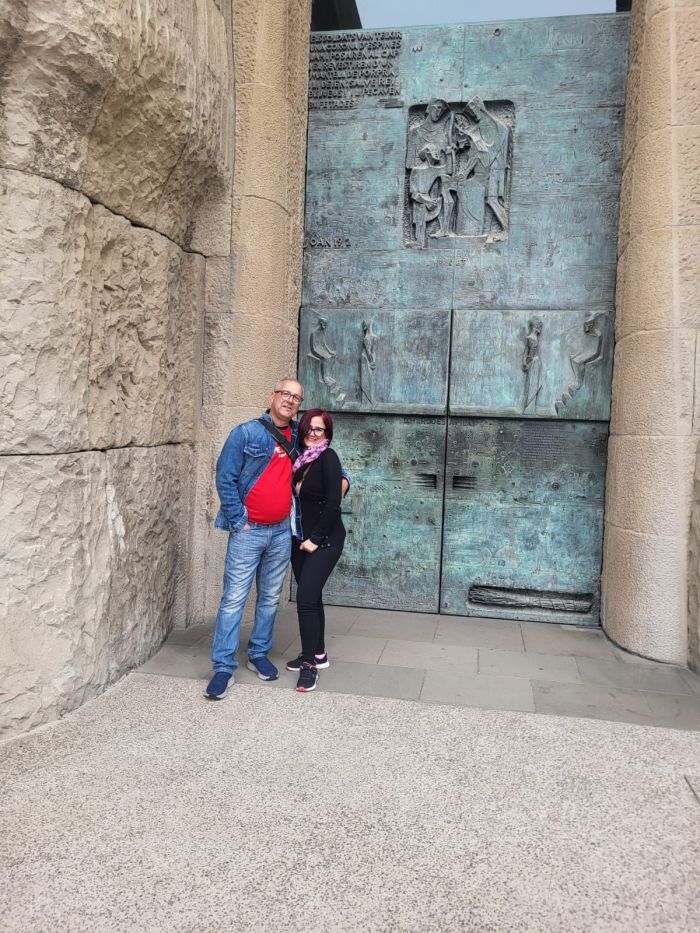
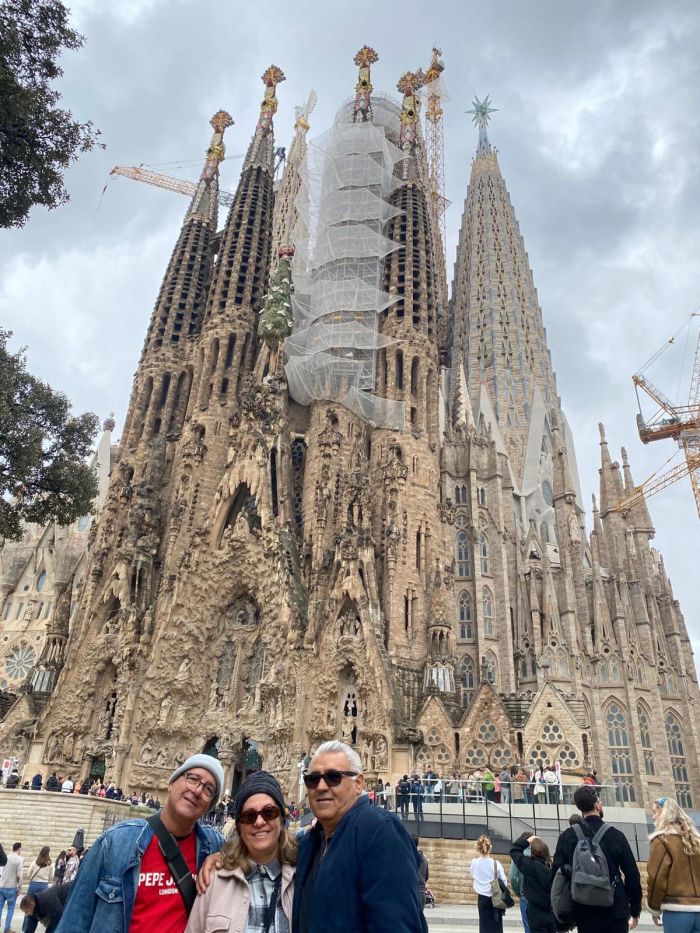
Barcelona is a city located in the northeast of Spain, on the shores of the Mediterranean Sea, in the region of Catalonia, among its main tourist attractions are La Sagrada Familia, Park Güell, Las Ramblas, the Gothic Quarter, Casa Batlló and Campo Nou, among others. Some celebrities born here are the artists Juan Miró whose masterpiece is La Masía, a series of paintings that reflect his connection with nature and with the land of Catalonia, Antonio Gaudi is famous for being the author of La Sagrada Familia, an icon church of the city and the world, the actress Penelope Cruz, who won an Oscar for best supporting performance in 2009 for the film “Vicky, Cristina Barcelona”, Gerard Pique central defender of the Barcelona club from 1997 to date, being its greatest performance from 2008 to today.
I can recommend some hotels to stay in and places to taste Catalan food.
Hotels
Arts de Barcelona, is located in the Olympic Village, with impressive views of the sea and a lot of luxury.
Mandarin Oriental Barcelona on Paseo de la Gracia, combines elegance and contemporary style with exceptional service
Casa Camper Hotel Barcelona, located in the heart of the city, is known for its modern design and cozy atmosphere.
Pulitzer in Barcelona, is the Eixample neighborhood, this boutique hotel has a chic and contemporary atmosphere
Midmost Barcelona, in the city center, combines modern design with a historical touch.
For many tourists, food is an important part of their trip, which is why I recommend a sample of restaurants where you can eat:
Disfrutar: High standard restaurant with a Michelin star, among its dishes are gazpacho sandwich, macaroni carbonara, crunchy mushroom leaf, among others.
El Nacional: famous for its Spanish cuisine, it has among its most popular dishes: tapas, oysters with cava, seafood paella, bread with tomato, grilled octopus, garlic prawns, old cow steak
Can Culleretes: traditional Catalan food restaurant founded in the 18th century, among its most popular dishes are meat cannelloni, grilled squid, steamed mussels and clams, roast lamb and veal shank with rovellons and Catalan cream among Other options.
Bar Cañete: located very close to Las Ramblas tapas, seafood and grilled meats, examples of which are: garlic prawns, spicy meat balls, grilled octopus, torrijas with sweet wine, tuna tataki, cod fritters among other delicacies.
Our next destination will be Zaragoza, from Aragon city, we will talk about it in my next post? Do you already feel the sound of the castanets? 🙂
Let’s talk a little about Andalusia before showing photos of my family and friends’ recent trip.
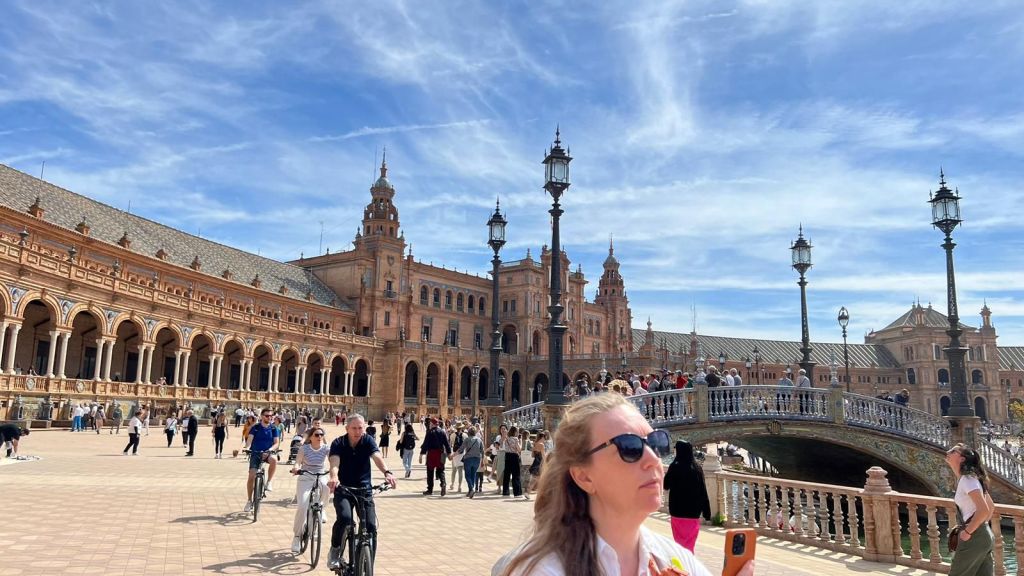
It is an autonomous community in the south of Spain, famous for its architecture and natural beauty, it is made up of 8 provinces: Almería, Cádiz, Cordova, Granada, Huelva, Jaén, Málaga and Seville. In the 8th and 15th centuries it belonged to the Muslim empire, which has left its mark on its architecture, for example the Mosque Cathedral of Córdoba, and the Alhambra in Granada, in culinary art, the Islamic legacy is present in the gazpacho that It is composed of tomatoes, cucumbers, peppers, onions, garlic, olive oil, vinegar and bread, it is crushed and mixed until obtaining a smooth and creamy mixture and served cold, couscous originally from North Africa is a wheat semolina cooked in steam, which is served with vegetables and/or meats and the tajine, originally from Morocco, is a stew that is cooked slowly in a clay container with a conical lid called tajine.
Cordova
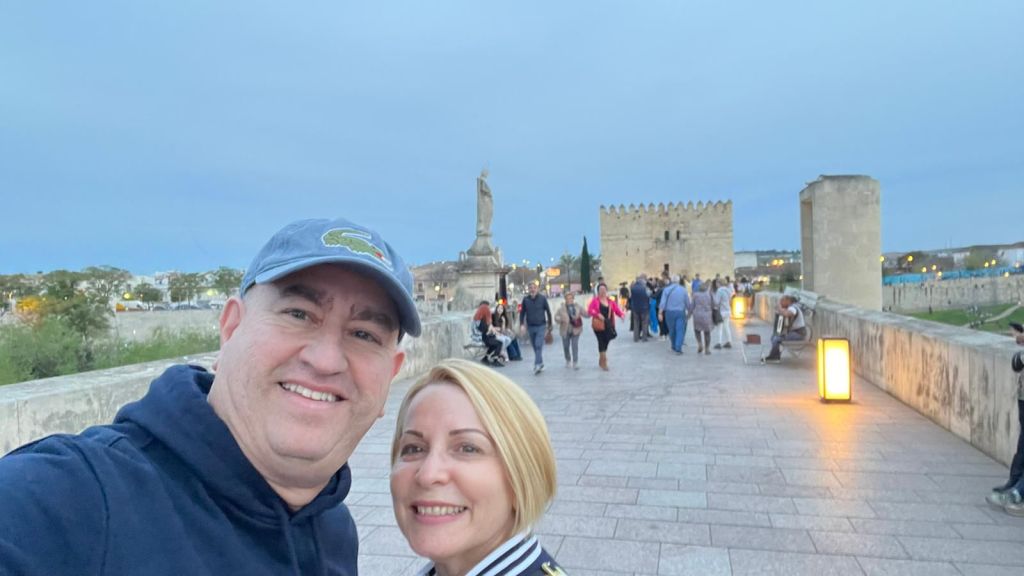
This province is famous for its mosque, the Alcazar of the Christian kings and the Roman Bridge among other attractions.
Seville
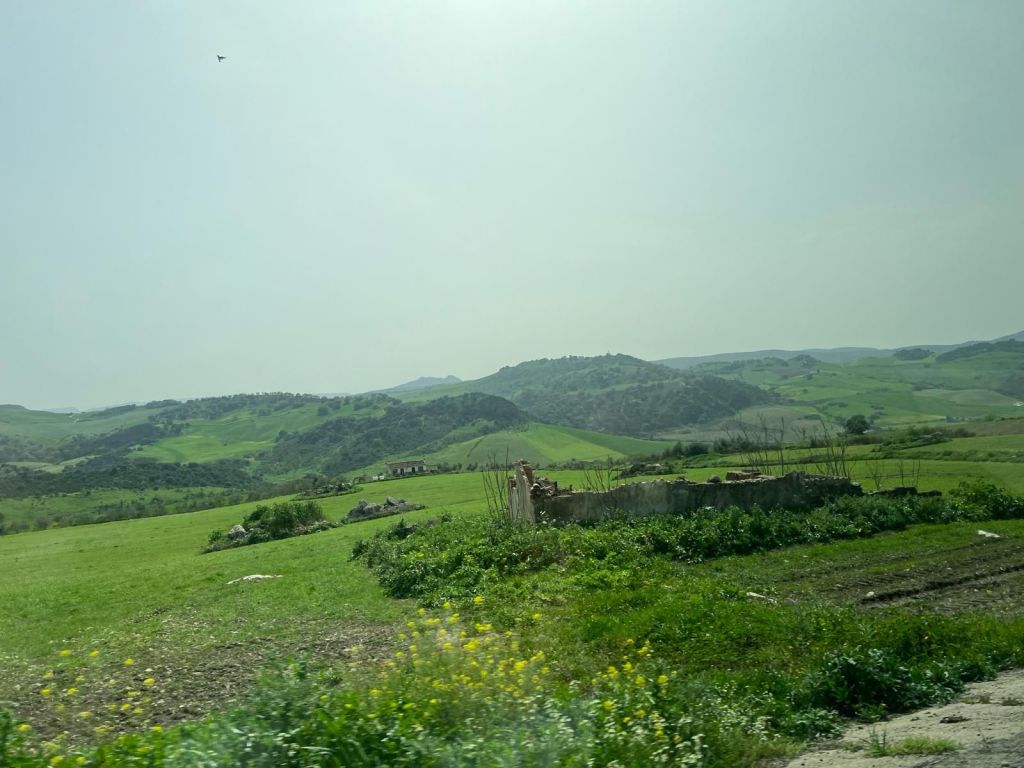
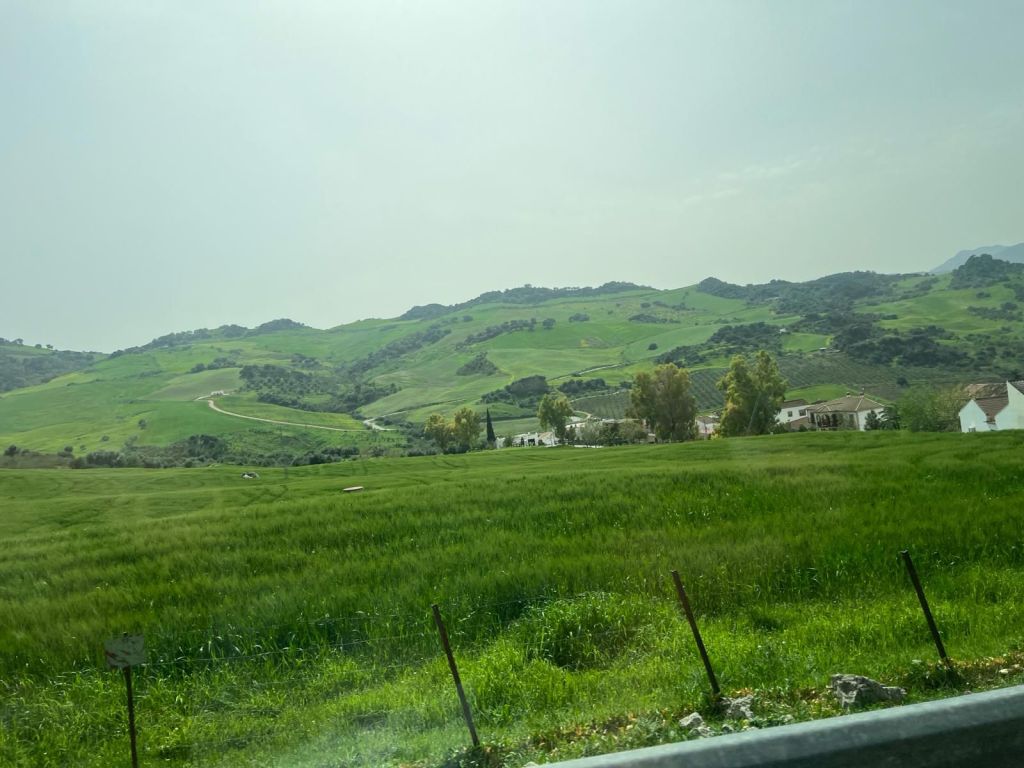
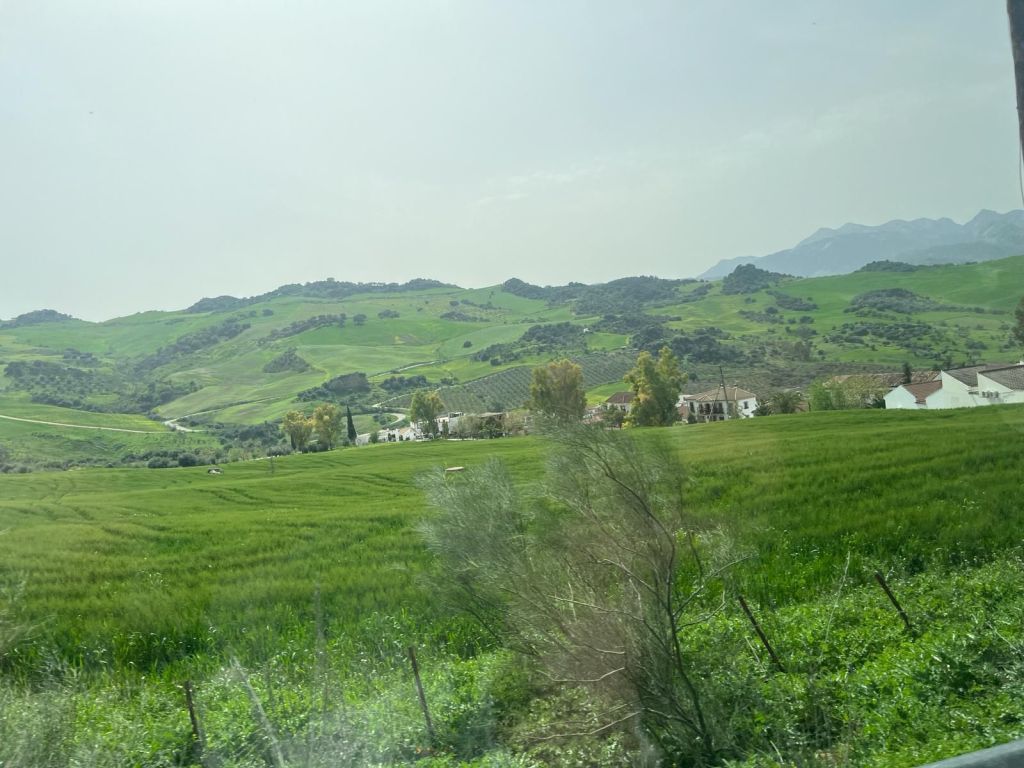
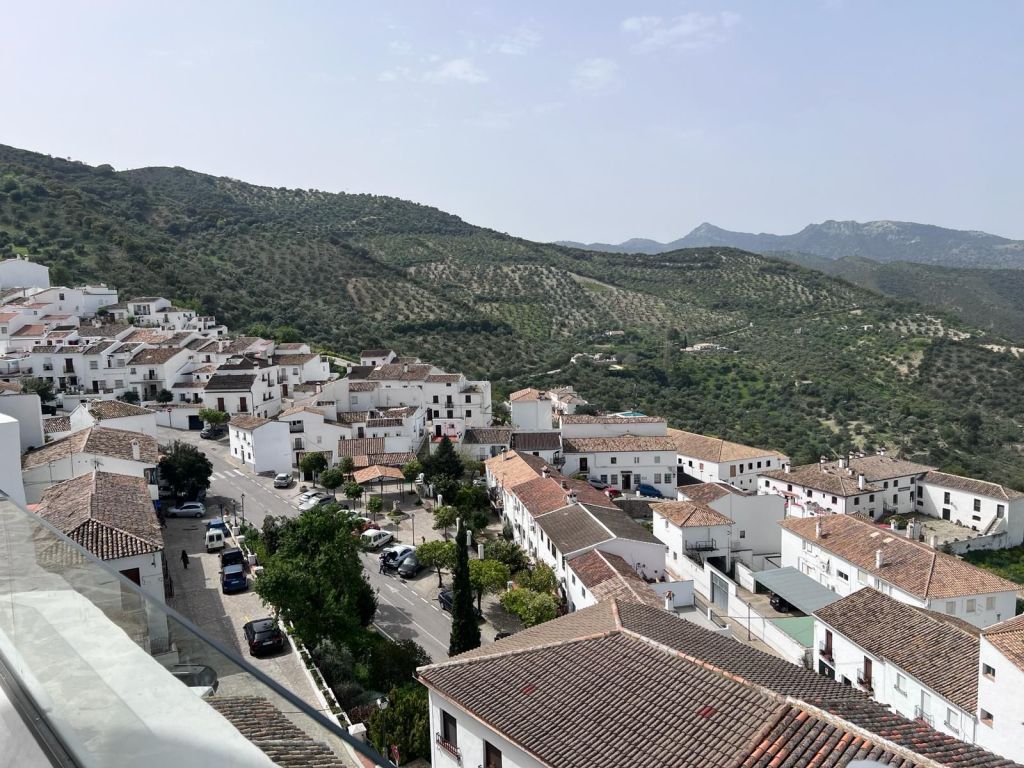
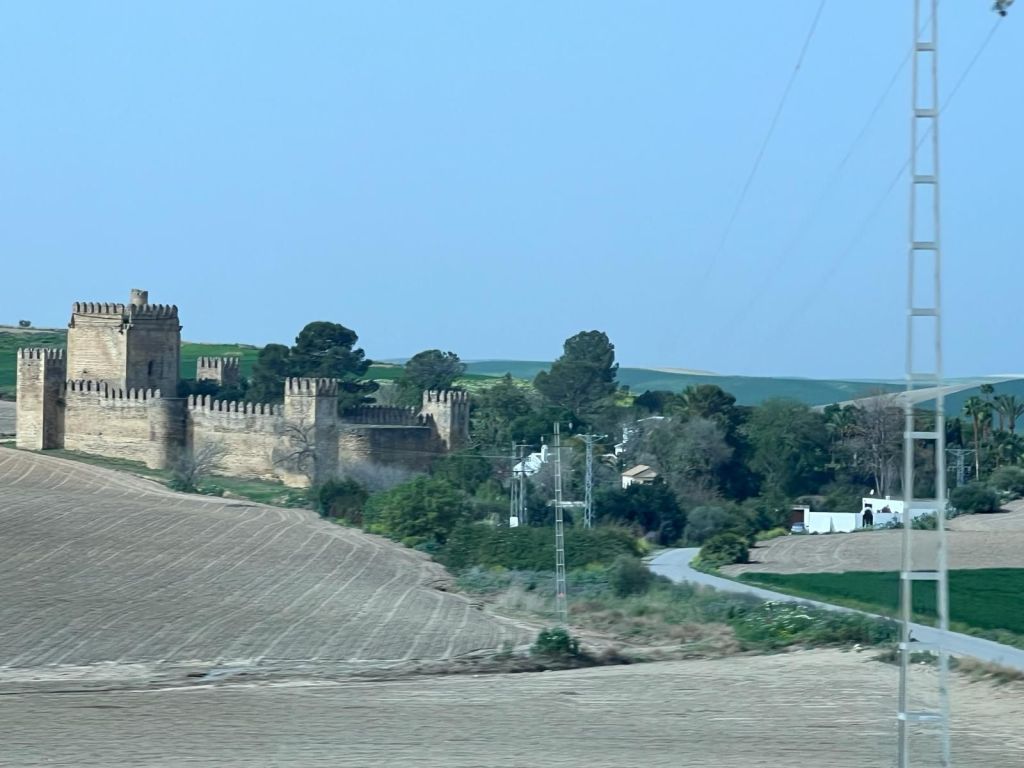
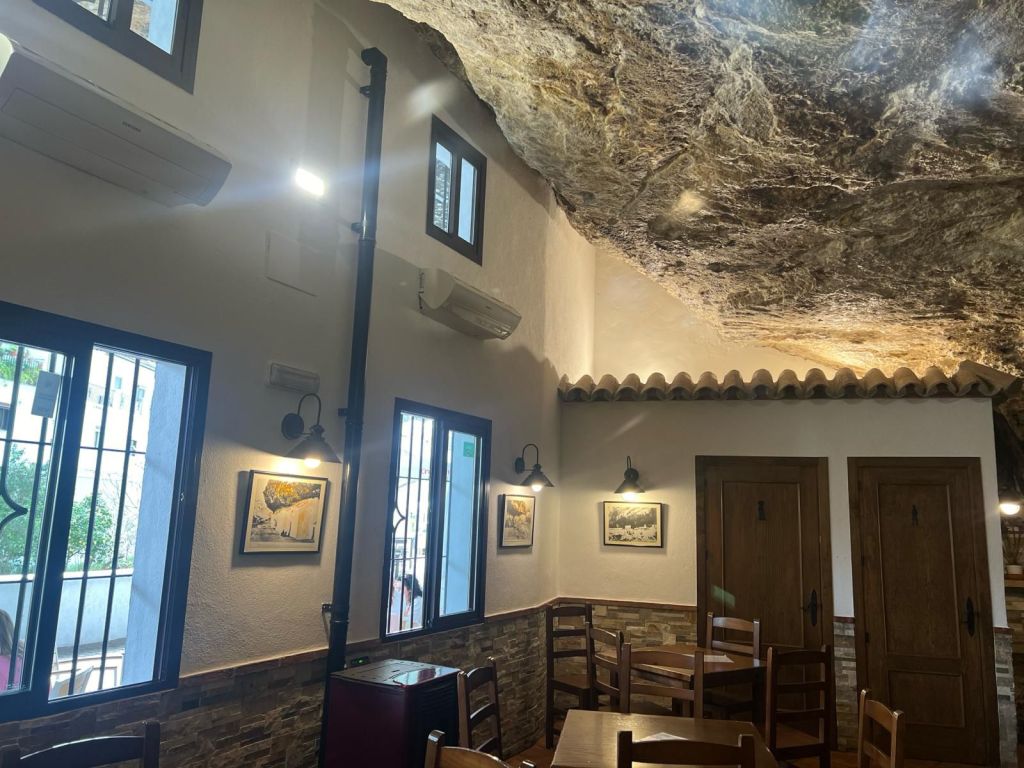
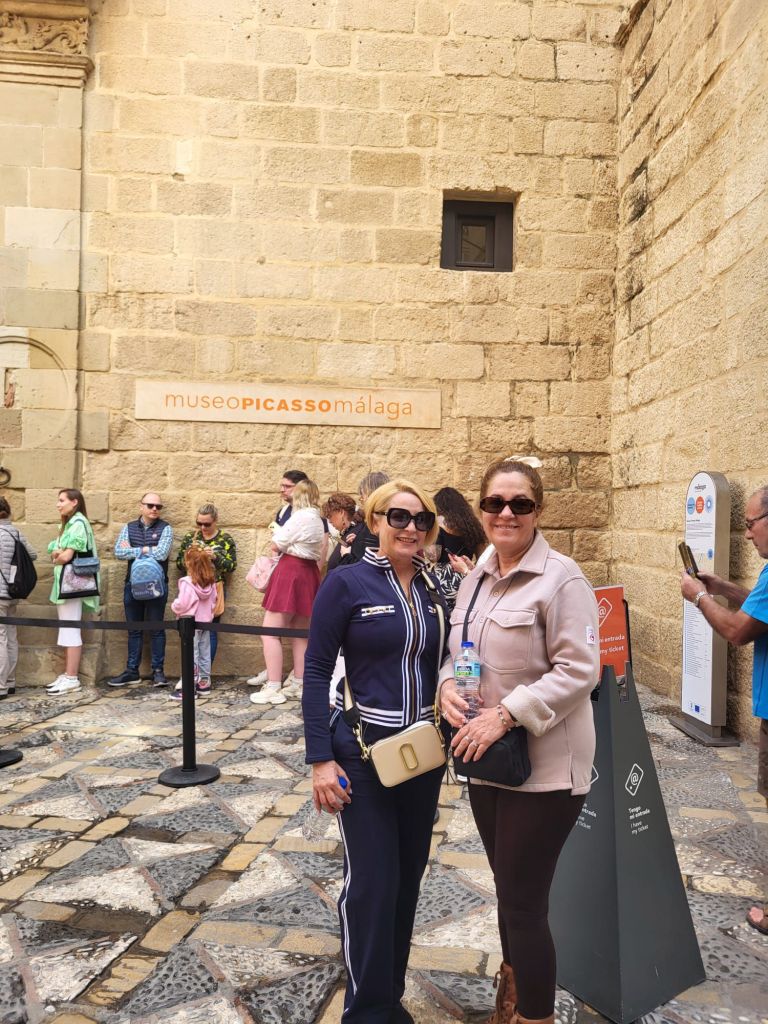
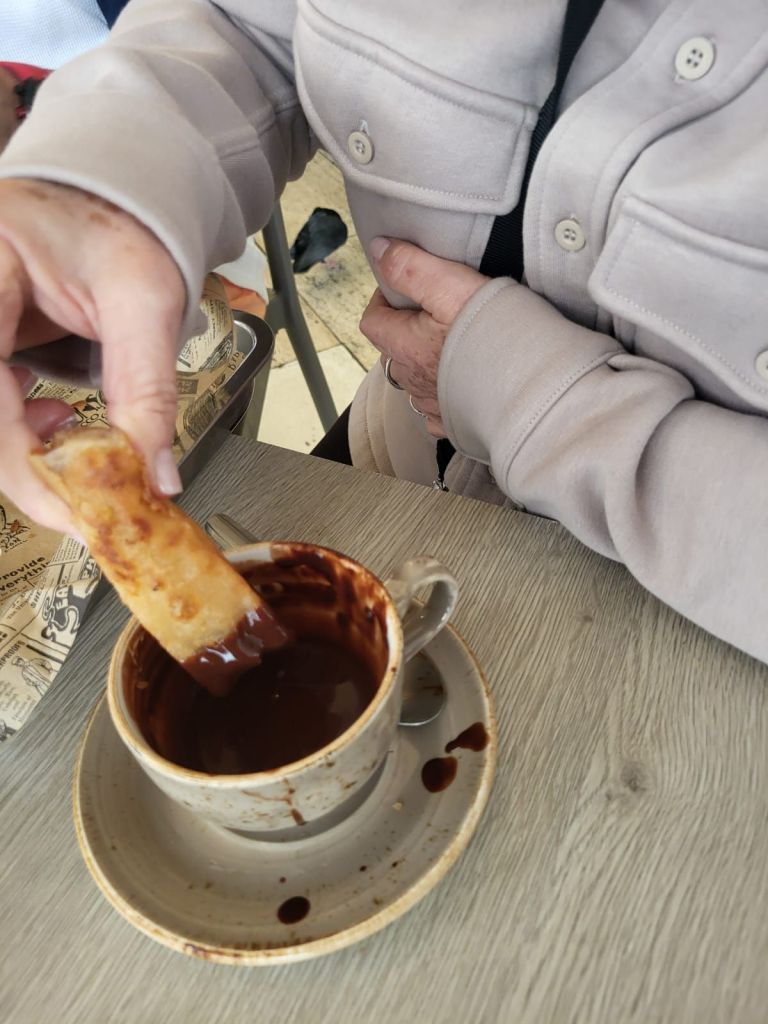
On the way to Malaga, my family and friends walked through small towns between one city and another, photographing the vineyards, lemon groves and tasting the exquisite Andalusian food and its delicious wines.
Antonio Banderas
I hope you have enjoyed this wonderful trip to Andalusia, as much as I have, through these beautiful images of Seville, Granada and Malaga, as well as the towns between city and city. See you in the next post which will be about my family and friends’ trip to Barcelona. 🙂
Attachment theory is a core issue in the area of parenting and relationships between parents and children. It was developed by the psychologist John Bowlby, it refers to the tendency of young children to seek permanent contact with one or more caregivers when they are scared, worried or vulnerable. In this attachment the role of the mother is fundamental, as it is the first contact, that the infant has with the outside world from birth, through its care, caresses and feeding. Bowlby’s conceptualization drew heavily on evolutionary theory, ethology, and cybernetics, and he conceived that these behaviors arise through natural selection, to maximize survival and reproduction.
Likewise, Ainsworth, who collaborated with Bowley in this field, developed three attachment styles: secure, anxious, ambivalent and avoidant. Subsequently, another type of attachment, disorganized, has been investigated. Babies with the first type of attachment show anxiety when separated from their caregiver and are easily sedated when reunited. They are more even-tempered and balanced. Those with anxious attachment tend to be more attached and appear anxious even in the presence of the caregiver. In the case of disorganized attachment, the baby shows erratic behavior such as approaching the caregiver while the child shows signs of fear and confusion.
This theory has many applications for health professionals, those who treat infant illnesses and nurses who, with their educational work, encourage caregiver-baby skin-to-skin contact in early childhood, educating about the importance of to respond quickly to the baby’s needs such as hunger, cold, heat, discomfort, etc., encourage them to have good visual communication, and talk to them, sing to them, establish routines such as feeding, sleeping, bathing and later activity times. playful.
In conclusion, it can be stated that attachment theory has great clinical utility in the treatment of psychiatric illnesses, which had their origin in the type of attachment that children had with their caregivers/parents, altering communication and the system of relationships in their adult life, nursing work in this area is mainly in health education for parents to systematize learning and have a healthy and independent life through secure attachment.
If you like to learn about Psychology subject, you can begin with Learning Theories.
Esta publicación esta dedicada a todas las personas que de algun modo lidian a diario con la demencia, ya sea ppr atenderlos como pacientes, o por convivir con algún familiar afectado.
Pathophysiology of Dementia
Dementia is a neurodegenerative disease of the brain that affects millions of people worldwide that is characterized by impairment of people’s cognitive, memory, and daily functioning dimensions. There are different mechanisms that contribute to the onset and progression of dementia, the most studied of which have been the presence of beta amyloid and tau protein neurofibrils, neuroinflammation and synaptic dysfunction. (Cantone, 2023) Molecular Mechanism of Dementia One of the most studied molecular mechanisms in the pathogenesis of the dementia is the presence of the amyloid beta peptide and the tau protein, the former being found extracellularly in the form of plaques, and the latter in the form of tangles intracellularly. The presence of these proteins alters neuronal function and triggers neurotoxicity, which in the long term contributes to synaptic dysfunction and cell apoptosis. (Guo, Zhang, Zeng, & et al, 2020) Neuroinflammation plays a fundamental role, since microglia, a type of glial cell present in the central nervous system, which is responsible for the defense and phagocytosis of pathogens that attack the brain, is activated in the presence of the mentioned proteins and neuronal damage. This chronic activation of microglia tends to release pro-inflammatory cytokines such as interleukin 1beta and tumor necrosis factor alpha, causing neuroinflammation and compromising the integrity of neurons. (Kuang, et al 2021) Disorders or alterations of synaptic function contribute to the deterioration of cognitive function that culminates in dementia. (Pei et al, 2022)
Recent research explains the role of mitochondria in neurodegenerative diseases, since cell respiration is carried out in this organelle, the production of ATP and intracellular calcium levels are regulated, they are affected by oxidative stress, oxygen free radicals, the dysregulation of homeostatic mechanisms of calcium ions and the accumulation of toxic or pathogenic proteins. (Anoar, Woodling,& Niccoli,2020) Epigenetic modifications such as DNA and histone methylation, histone acetylation, RNA micro dysregulation, influence genetic pattern that ensures neuronal survival, synaptic plasticity, and neuroinflammation and contribute to the progression of dementia, also DNA methylation is being studied as a possible biomarker for diagnostics purpose. Other studies suggest that methyl donors and/or drugs that act on methyl metabolism may be therapeutic agents for Alzheimer’s dementia. , (Shadyab, et al 2022)
Type of dementia Symptoms and clinical features Alzheimer’s Dementia Associated with amyloid beta protein and tau protein, which cause neuronal damage Memory loss and language, impaired judgment, Loss of ability to perform everyday actions. Vascular Dementia There is damage to the blood vessels that run into the brain such as a stroke, or when white matter fibers are damaged. Difficulty solving problems, slowness of Loss of concentration and organization
Lewy body dementia Lewy bodies are abnormal deposits of the protein alpha synuclein in the brain. They are also seen in Parkinson’s dementia People act out their dreams, have visual hallucinations, sleep speech, have problems with concentration or attention, slow or uncoordinated movements, tremors, rigidity, which is known as Parkinsonism Frontotemporal Dementia There is a breakdown of neurons and their connections in the temporal and frontal lobes of the brain
Mixed dementia There is a combination of causes. Symptoms often overlap depending on the causes
Frontotemporal dementia
These areas are associated with personality, behavior, and language, with the most common symptoms being changes in behavior, personality, thinking, judgment, and language.
The understanding of the molecular pathophysiology is of great relevance since depending on it, it will guide the professionals in charge of these patients in the clinical diagnosis, with the help of the personal and family history, the interaction of the patient with his environment, the physical examination, the use of modern technologies such as MRI, positron emission tomography can detect the alpha amiloyd protein, as well as the use of biomarkers to predict their onset, evolution, prognosis and therapeutic decisions such as the use of drugs that act on methyl metabolism as therapeutic agents for the treatment of Alzheimer’s. A clinical session assesses memory, language skills, visual perception, attention, problem-solving ability, movement, senses, balance, reflexes, and other areas. Blood tests can detect, for example, a lack of vitamin B-12 that affects brain function or an underactive thyroid gland. Sometimes, it is analyzed cerebrospinal fluid for review the presence of tau and alpha amyloid proteins that cause neuroinflammation in Alzheimer’s disease and markers of some degenerative diseases. Conclusion The study of the molecular mechanisms of dementia allows us to know the presence of the amyloid protein alpha and the protein tau, which cause neuronal damage and are present in Alzheimer’s disease, the synaptic dysfunction that causes cognitive impairment, recently the role of mitochondria in oxidative stress and the accumulation of proteins and cellular pathogens. Current research uses epigenetics to explain the role of DNA methylation in dementias such as Alzheimer’s. The use of biomarkers can be used for early diagnosis and replace histopathological examination in autopsies of patients with dementia, and with comprehensive treatment it will be possible to improve the quality of life by delaying the clinical symptoms and psychiatric condition of these patients. There is still a long way to go in the study of dementia.
La demencia es un complejo de desórdenes neurodegenerstivos del cerebro caracterizada por declive cognitivo, pérdida de memoria, y trastornos en diario funcionamiento. Afecta a más de 55 millones de personas en el mundo siendo la forma más común el Alzheimer con el 60 a 70% de las personas a nivel mundial.
Prevención
Las actividades que estimulan lo cognitivo constituyen factores de protección para prevenir la demencia. Por lo que adquirir una buena educación, trabajar en empleos que estimulen el cerebro, tener pasatiempos y disfrutar de actividades sociales pueden reducir el riesgo de demencia.
Las personas que invierten su tiempo en aprender cosas nuevas a lo largo de sus vidas tienden a desarrollar redes neuronales y conexiones más fuertes entre las células nerviosas del cerebro, las cuales están mejor preparadas para combatir el daño celular que puede ocurrir a consecuencia de trastornos cerebrales que pueden conllevar a la demencia.
Se puede proteger nuestra mente evitando afecciones cardiovasculares como los infartos del miocardio y los accidentes cerebrovasculares que predisponen a la demencia vascular, ello significa que mantener dentro de límites normales el colesterol, evitar la diabetes, no fumar, mantener el peso y realizar ejercicio físico, mejoran la salud cognitiva que se acumula a lo largo de la vida protegiendo los vasos sanguineos cerebrales. Mientras más temprano incorporemos estilos de vida saludables mayores probabilidades de llegar a ser adultos mayores con mayor calidad de vida.
Alimentación
Una dieta baja en grasas saturadas y trans, rica en vegetales, legumbres, frutas, cereales, con aportes adecuados de vitaminas del complejo B, la dieta mediterránea porque contiene vegetales, carotenos, flavonoides y polifenoles los cuales están presentes en el brocoli, las coles de Bruselas, el repollo, la coliflor o el nabo, las verduras de hoja verde, el aceite de oliva, los tubérculos,la granada, las cerezas, las manzanas, las naranjas, las uvas, las fresas, las nueces, el cacao, el café y los pescados grasos ricos en omega 3 y 6. Debe evitarse el consumo de carnes rojas, los alimentos procesados, las grasas de origen animal y los azúcares ya que empeora el aspecto cognitivo y si ya se tienen síntomas de deterioro neurocognitivo el alcohol debe evitarse.
Coffee is one of the most popular beverage you take in the morning after wake up.
The popularity of coffee products is related to their unique sensory and pleasant flavor (Pereira et al., 2019). Coffee consumption has greatly increased all around the world. Coffee bioactive components include phenolic compounds (chlorogenic acids, cafestol and kahweol), alkaloids (caffeine and trigonelin), diterpenes (cafestol and kahweol) and other secondary metabolites. Regular coffee consumption has been associated with a healthy profile in consumers. Improvements in mental alertness, reducing risk of disease development (type 2 diabetes, depression, suicidal behavior, cancer, hepatic injury, cirrhosis, and neurological and cardiovascular disorders like Parkinson disease and stroke), and positive effects on the gastrointestinal tract and gut microbiota are well documented benefits.
Coffee is a social drink too, USA, Brazil and European Union are the major consumers in the planet. People consume every day at least one cup of coffee, in USA you can see the coffeeshops as Starbuck coffee and Dunkin Donuts plenty of consumers during all day. So when you smell and drink your cup of this wonderful beverage, think about his health benefits.
The video I posted today, refers to Two Brothers, an italian restaurant located at 13740 SW 88 th Street, Miami Fl, 33183.
It is a beautiful place to share a pizza with family and/or friends. Good service, I recommend focaccia, a thin pizza with adds like onion, mushrooms, pineaple, jam, pesto and cheese, with red wine and as dessert tarta de la nonna. Ideal to spend a birthday, February 14 th, wedding anniversary, or any important event in your life.
This video refers to a son who leaves his country of birth to get a better life. Her mother filmed the video from the roof of their home and she cryed a lot. This history is a cycle of dejavu since 1959. Families separated because shortage of opportunities.


































































































































 Freelancer professor